Published August 19, 2026 · Updated August 19, 2026
Slope and Anchor Drill RFQ Checklist
Reach, hole, and carrier are separate decisions. A dimensioned work drawing connects them and exposes the real setup and transport constraints.
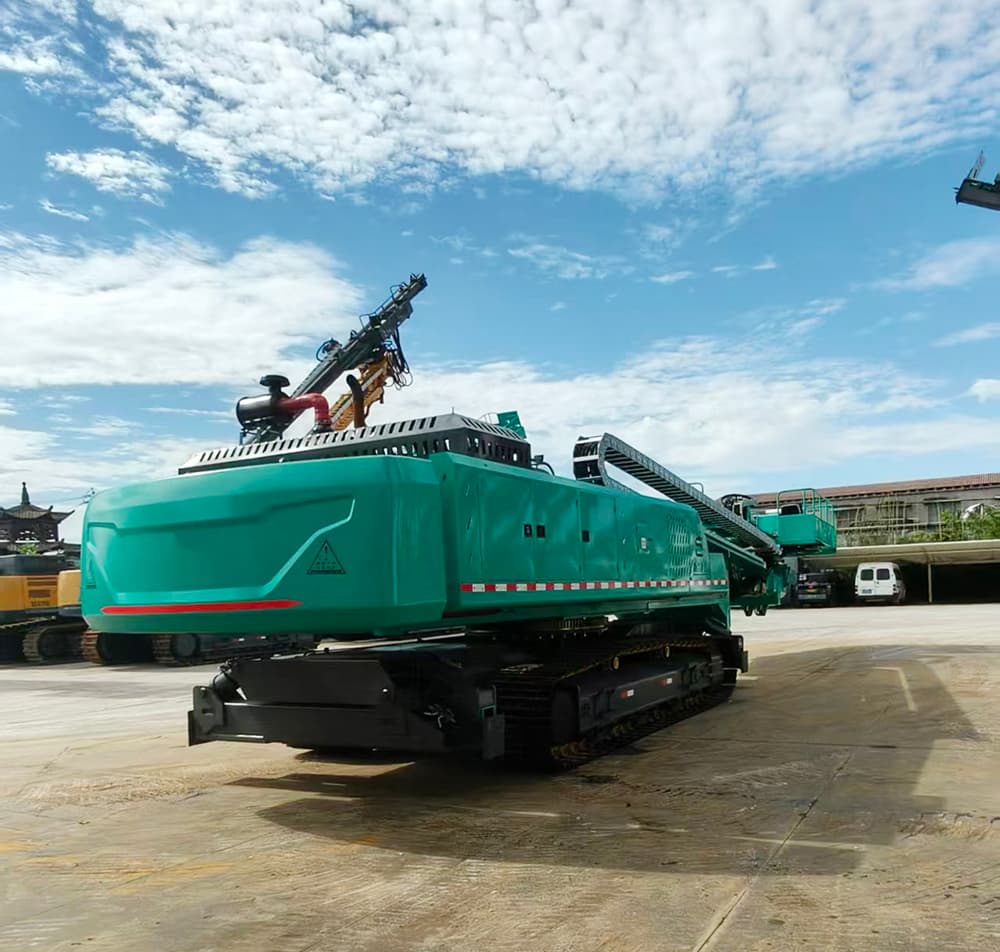
Crawler slope drill used to plan work geometry and hole location
/images/slope-drill-rig-field.jpg
Attach the work geometry
Show the machine setup point, slope or bench, hole collar coordinates, hole angle and direction, required work or lifting height, overhead and side clearance, operator access, and any edge or utility hazard.
| Area | Data to send |
|---|---|
| Hole | Diameter, depth, angle, quantity, pattern, tolerance, casing or anchor requirement |
| Ground | Geology, hardness, fractures, overburden, groundwater, sample logs if available |
| Method | Rotary, DTH, casing, anchor or other method; air, flushing, grouting |
| Site | Slope, bench, setup footprint, bearing, access, wind, dust, water, altitude |
| Carrier and power | Lifting height, chassis, diesel or electric, voltage, transport limits |
| Commercial | Quantity, destination, trade term, timing, tools, spares, documents, inspection |
Define the tooling and auxiliary boundary
List drill head, rod, bit, hammer, casing, clamps, compressor, pump, flushing, dust or water handling, grouting interface, tool handling, consumables, and recommended spares.
Lifting height is not hole depth. State both values, the hole angle, and the coordinates from the planned machine setup.